Senate crypto market bill fails crucial procedural vote
 By Richi Sun · Sep 16, 2026 · 2 min read
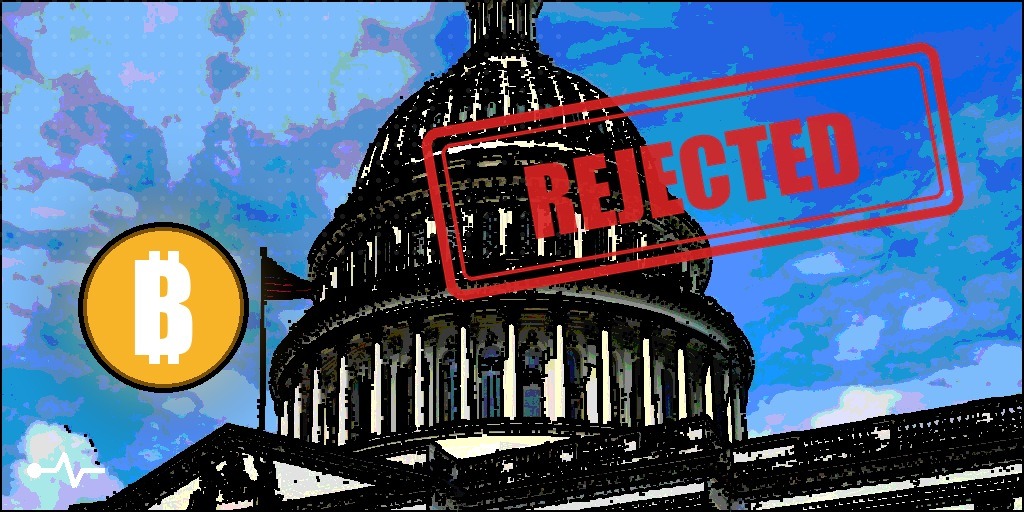
The U.S. Senate has rejected a motion to begin debating the Digital Asset Market Clarity Act, leaving comprehensive cryptocurrency market structure legislation stalled. In a 50-49 floor tally, lawmakers failed to invoke cloture on H.R. 3633, falling 10 votes short of the 60 needed to advance the measure.
The procedural failure effectively halts a proposed framework that would have divided regulatory oversight between the Commodity Futures Trading Commission for digital commodities and the Securities and Exchange Commission for securities. The legislation also included language aiming to classify secondary-market transactions of XRP as a digital commodity, regardless of the token quantities held by Ripple.
Bipartisan resistance and ethics disputes
Despite months of cross-party negotiations, the motion faced opposition from lawmakers intimately involved in crafting the bill. Democratic Senators Angela Alsobrooks, Ruben Gallego, Kirsten Gillibrand, Mark Warner, Cory Booker, Raphael Warnock, and Catherine Cortez Masto all voted no. The lawmakers cited ongoing concerns over consumer protection, conflicts of interest, market integrity, and illicit finance. Senators Lisa Blunt Rochester and John Fetterman also opposed the motion.
Republican Senators Susan Collins, Josh Hawley, Jerry Moran, and Thom Tillis joined the opposition, with Tillis subsequently moving to recommit the bill. While Republicans held 53 Senate seats, they needed at least seven independent or Democratic votes to overcome the cloture threshold.
Government ethics formed a primary roadblock. A revised 635-page Republican draft included 126 changes requested by Democrats and established restrictions on cryptocurrency holdings for the president, vice president, members of Congress, federal judges, and specific relatives. However, Democrats issued a late counteroffer seeking to extend those rules to the dependent children of federal officials. Gallego stated he would not support legislation enabling such conduct, accusing the president of seeking "time to crime."
Other unresolved areas involved protections for decentralized software developers, the treatment of event contracts conflicting with tribal gambling rules, and stablecoin rewards. Banking groups argued that stablecoin yields could divert deposits from insured institutions, a comparison rejected by digital asset companies.
Market reaction and asset impact
Following the vote, cryptocurrency prices retreated. Bitcoin declined approximately 3.7% over 24 hours to trade near $76,000, while XRP dropped more than 7% to around $1.30. Shiba Inu also fell 3.7% to roughly $0.00000513, with Ethereum and Solana joining the broader market decline.
On prediction platform Polymarket, the probability that Donald Trump would sign the legislation in 2026 dropped to 7% from a previous high of 31%.
Prior to the vote, Bitget Wallet research analyst Lacie Zhang highlighted that the market had not fully priced in the bill's potential success. She noted that Bitcoin had the least regulatory uncertainty due to existing exchange-traded funds and regulated institutional infrastructure.
"Bitcoin would likely benefit the least on a relative basis because its regulatory status, ETF access and institutional infrastructure are already comparatively clear," Zhang said.
Instead, Zhang identified Ethereum, Solana, Uniswap, and Aave as networks facing more unresolved regulatory questions that would have been stronger potential beneficiaries of the framework.