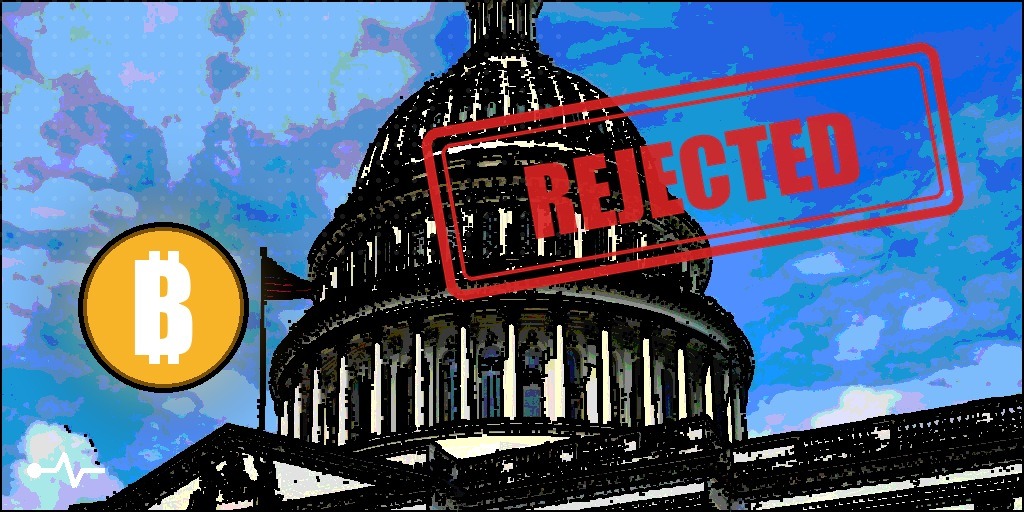
US Expands Iran Sanctions to Global Digital Asset Sector
 By Ashley Bennett · Aug 25, 2026 · 3 min read
The United States has dramatically escalated its regulatory reach into the global blockchain industry, adding digital assets to a list of Iranian economic sectors explicitly targeted for secondary sanctions.
The move stems from a sweeping U.S. Treasury enforcement action announced on August 24, 2026, aimed at isolating Iranian entities from international finance [2]. Treasury Secretary Scott Bessent described the initiative as a "whole-of-government economic campaign against the Islamic Republic of Iran and its enablers," according to forensics firm TRM Labs.
Under Executive Order 13902, the Treasury issued sectoral sanctions against five industries, including digital assets. This means non-U.S. businesses, such as global cryptocurrency exchanges, could lose access to the U.S. financial system if they facilitate significant transactions for Iran's crypto sector.
Focus on Cyber Operations
The enforcement wave also designated nearly 60 individuals, entities, and vessels [1], [2]. Among those targeted are five people connected to the Mabna Institute, an Iran-based firm the U.S. Department of Justice (DOJ) alleges is a hacking-for-hire group [1]. The DOJ previously indicted members of the group on August 18, 2026, claiming they stole more than 31 terabytes of academic data and intellectual property from universities and private companies globally [1].

Four of the indicted individuals control 30 cryptocurrency addresses across the Bitcoin, Ethereum, and TRON networks, which the Treasury highlighted in its sanctions designations [1]. According to TRM Labs, on-chain analysis reveals that these 30 addresses received roughly USD 16.8 million in funds stretching back to January 2018 [1].
TRM Labs found that the volume was highly centralized. One defendant, Keyvan Fayaz, controls 10 addresses that received a combined USD 15.5 million, accounting for 92% of the network's total on-chain volume [1]. TRM analysts noted this concentration indicates Fayaz may have managed the treasury for the group's operations [1]. Despite the large historical inflow, the combined residual balance across all 30 addresses currently stands at just USD 202,662, or roughly 1% of the total funds that passed through them, according to TRM [1].
The blockchain analytics firm Chainalysis confirmed the focus on illicit crypto flows in a separate report, noting the sanctions also target oil smuggling [2]. According to Chainalysis, designated Ukrainian-Emirati broker Ivan Obukhov allegedly processed more than $100 million in cryptocurrency payments to facilitate oil sales for Iran's Islamic Revolutionary Guard Corps [2].
Warnings and Limits
While U.S. officials framed the campaign as an aggressive economic onslaught, some policy experts suggest the immediate impact on global trade may be constrained [1], [8]. Daniel Fried, a distinguished fellow at the Atlantic Council, offered a cautious perspective on the measures [1]. Fried noted that the sanctions act more as a warning shot than a fatal blow to the Iranian economy, arguing that truly crippling the regime's financial lifelines would require directly targeting major Chinese institutions, a step the Treasury has not yet taken [1].
Despite these limitations, the inclusion of digital assets as a designated sector represents a significant shift in U.S. policy. Compliance experts are warning digital asset businesses to rigorously screen historical transaction records and flag incoming transactions linked to designated entities to avoid triggering secondary sanctions.